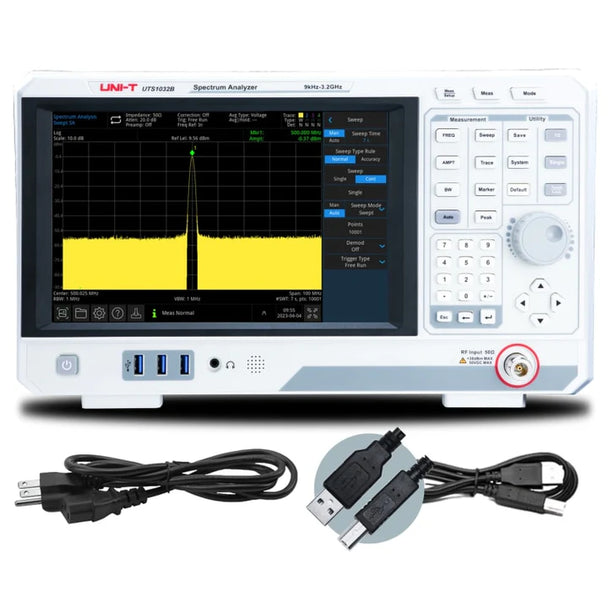
Auswahl des richtigen Spektrumanalysators: Ein umfassender Leitfaden für Elektroingenieure
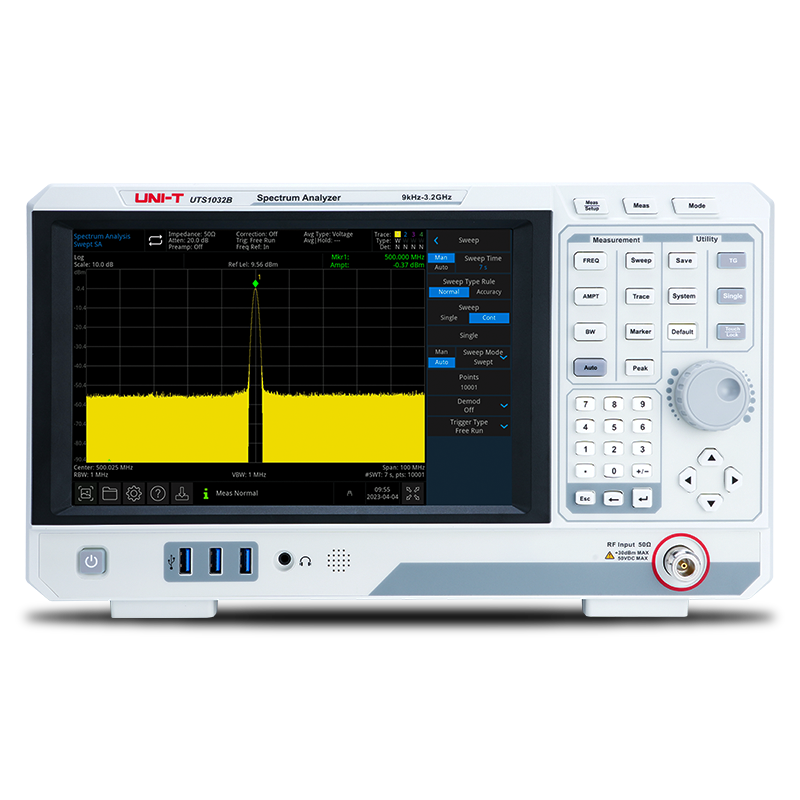
Einleitung: In diesem Leitfaden helfen wir Ihnen, eine fundierte Entscheidung bei der Auswahl eines Spektrumanalysators zu treffen. Als Elektroingenieur ist es für genaue Messungen entscheidend, die richtigen Werkzeuge zu haben. Spektrumanalysatoren sind wichtige Instrumente, die wertvolle Einblicke in Signalfrequenzspektren liefern. Entdecken Sie, wie Sie den idealen Spektrumanalysator für Ihre Anforderungen auswählen, mit Schwerpunkt auf den Angeboten von UNI-T.
Die Rolle des Frequenzbereichs: Der Frequenzbereich ist ein Schlüsselfaktor bei der Auswahl eines Spektrumanalysators. Verschiedene Anwendungen erfordern spezifische Bereiche für eine präzise Signalanalyse. Es ist wichtig, das obere Ende des Bereichs mit den Anwendungen abzustimmen, für die der Spektrumanalysator verwendet wird. Einige gängige Beispiele sind:
HF-Signalcharakterisierung:
- 1,5 GHz: Ideal für HF-Signale in RFID, drahtloser AM- oder FM-Kommunikation und LF-, MF-, HF-, VHF- und UHF-Bändern.
- 2,1 GHz: Breite Abdeckung für die Überprüfung von Mikrowellenverbindungen sowie EMI- und EMV-Anwendungen.
-
3,2 GHz: Nützlich für einen Teil der S-Band- und C-Band-Signalanalyse, wie Satellitenfernsehen, GPS, Bluetooth, Fernsehübertragung, Mobilkommunikation wie GSM-, CDMA- und LTE-Dienste
- 3,6 GHz: Wird bis in die Telekommunikation eingesetzt und ist für Satelliten-Bodenstationen und Hochfrequenzradar geeignet.
- 8,4 GHz: Vielseitig für C-Band- und darunterliegende Anwendungen, wie etwa Telekommunikation, WIFI6- und WIFI6E-Gerätetestanwendungen.
Allgemeine Spezifikationen verstehen: Um eine fundierte Entscheidung treffen zu können, ist es wichtig, allgemeine Akronyme und Spezifikationen im Zusammenhang mit den Funktionen des Spektrumanalysators zu verstehen:
- DANL (Angezeigter durchschnittlicher Geräuschpegel) :
- RBW (Auflösungsbandbreite) :
- Grundrauschen :
- Selektivität :
- Empfindlichkeit :
Zusätzliche Merkmale und Funktionen des Spektrumanalysators: Berücksichtigen Sie diese Merkmale für eine umfassende Analyse und Benutzerfreundlichkeit:
-
Frequenzbereich: Stellen Sie sicher, dass das ausgewählte Modell Ihren gewünschten Frequenzbereich abdeckt.
- Amplitudengenauigkeit: Unverzichtbar für präzise Messungen schwacher Signale.
- Dynamikbereich: Misst sowohl schwache als auch starke Signale ohne Verzerrung.
- Sweep-Zeit: Erfassen Sie transiente Signale mit kürzeren Sweep-Zeiten.
- Anzeige und Benutzeroberfläche: Intuitive Anzeigen und Schnittstellen steigern die Effizienz.
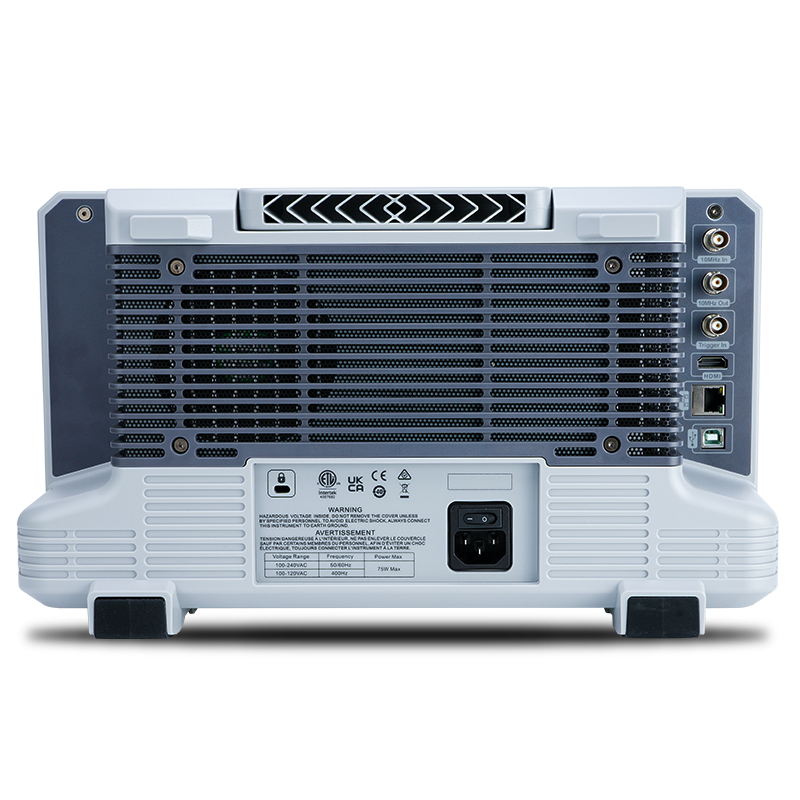
- Konnektivitätsoptionen: USB-, Ethernet- und GPIB-Konnektivität für nahtlose Integration.
Die Vorteile von Tracking-Generatoren: Entdecken Sie die Vorteile der Integration eines Tracking-Generators in Ihren Spektrumanalysator:
- Frequenzganganalyse: Ermöglicht präzise Frequenzgangmessungen.
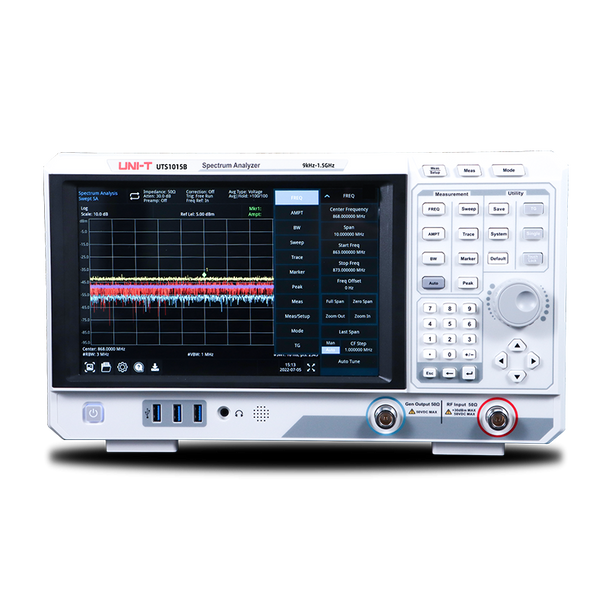
- Gerätetests: Bewerten Sie die Leistung von HF-Komponenten genau.
- Kalibrierung und Ausrichtung: Erleichtert Kalibrierungs- und Ausrichtungsverfahren.
-
Antennenanalyse: Bewerten Sie Antenneneigenschaften, Verstärkung, Impedanz und Strahlungsmuster.
Fazit: Bei der Auswahl des richtigen Spektrumanalysators müssen Sie die Bandbreite und verschiedene auf Ihre Anwendung zugeschnittene Funktionen berücksichtigen. Bewerten Sie Faktoren wie Frequenzbereich, RBW, Amplitudengenauigkeit, Dynamikbereich, Sweep-Zeit, Anzeigequalität und Konnektivitätsoptionen. Mit den Spektrumanalysatoren von UNI-T können Sie sicher das perfekte Werkzeug auswählen, um Ihre Elektrotechnikprojekte zu verbessern und genaue Ergebnisse sicherzustellen.